
Oh, great! Another day, another article about how AI is set to replace us all. As product managers, we might as well pack up our roadmaps and head home, right? Wrong! The truth is, artificial intelligence is not here to usurp our thrones but to reinforce the castles we’re building. Let’s dive into how we, as product managers, can utilize AI to streamline our work, enhance our products, and maybe, just maybe, make our jobs a tad easier.
Understanding AI in Product Management
Before we jump into the specifics, it’s essential to understand what AI can and cannot do. AI excels at processing vast amounts of data, identifying patterns, and making predictions based on historical data. It’s not about making the big strategic decisions—that’s where we come in. Our role is to guide AI, interpret its insights, and apply them in a way that aligns with our product vision and business goals.
Research Highlights the Benefits
According to a study published in the Harvard Business Review, companies that integrate AI into their operations see an average increase in productivity of 40% (HBR, 2020). The beauty of AI is that it can handle the heavy lifting of data analysis, freeing us up to focus on strategy, user experience, and innovation. Moreover, a report by McKinsey Global Institute suggests that AI could potentially deliver up to $2.6 trillion in value for marketing and sales alone (McKinsey, 2021).
Tools for the Modern Product Manager
Now, let’s talk about the tools that can help us leverage AI without needing a PhD in computer science.
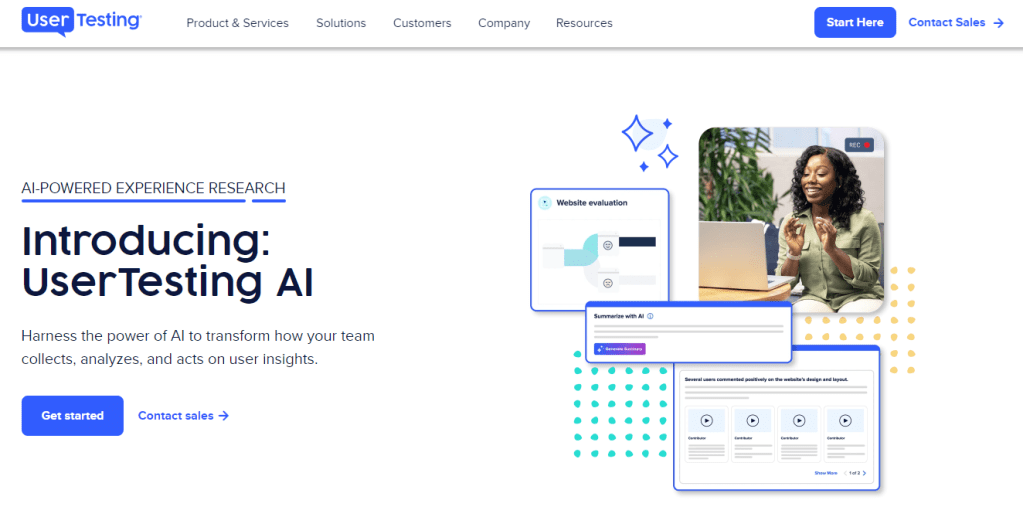
1. User Research and Feedback Analysis: UserTesting and Chorus.ai
Gathering and analyzing user feedback can be a daunting task. AI-powered tools like UserTesting and Chorus.ai can transcribe and analyze user interviews and feedback sessions, identifying common themes and sentiments. This means we can quickly understand user needs and pain points without sifting through hours of recordings.
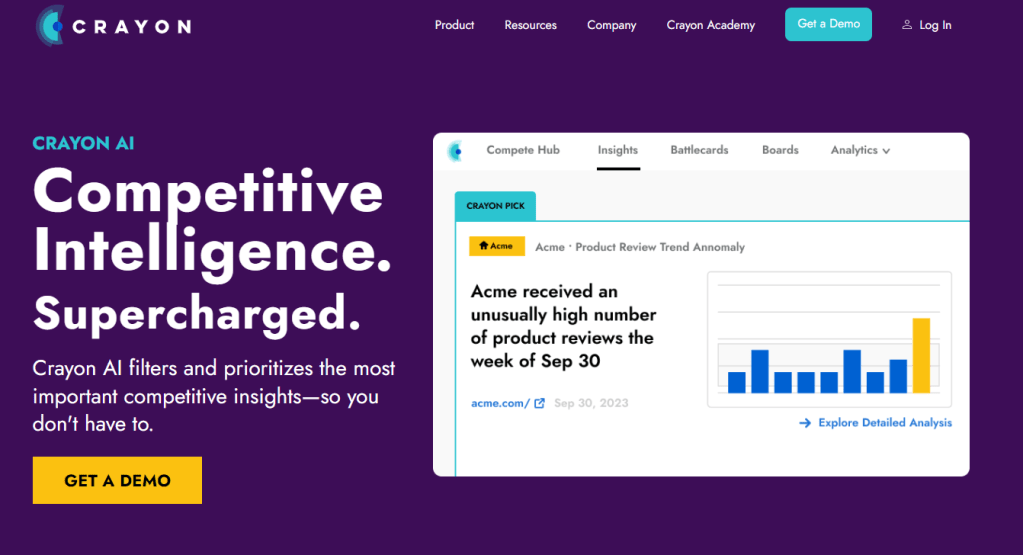
2. Market Analysis and Competitive Intelligence: Crayon and Kompyte
Understanding the competitive landscape is crucial. AI tools like Crayon and Kompyte monitor competitor websites, social media, and more, to provide real-time alerts on changes and trends. This helps us stay ahead of the curve and make informed strategic decisions.
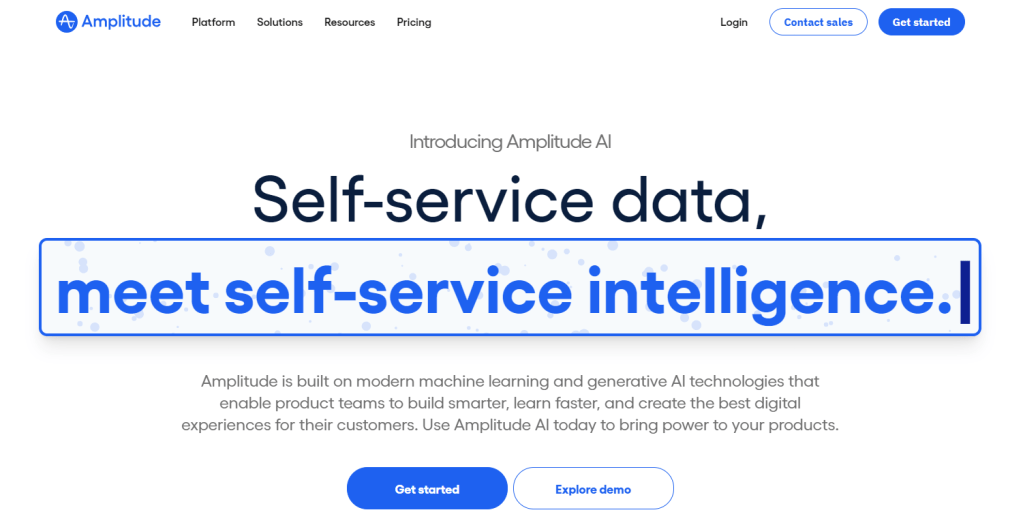
3. Product Analytics and Usage Insights: Amplitude and Mixpanel
To truly understand how our products are used, we need deep insights into user behavior. Amplitude and Mixpanel use AI to analyze product usage data, helping us identify features that are hitting the mark and those that may need a rethink. This allows for data-driven product development and enhancement.
4. Automating Routine Tasks: Zapier and Automate.io
Lastly, AI can take over the mundane, repetitive tasks that eat up our time. Tools like Zapier and Automate.io can automate workflows between different apps and services, from scheduling meetings to updating CRM entries. This frees us up to focus on what we do best: creating amazing products.
Concrete Examples of AI in Action
Imagine using AI to predict customer churn before it happens, allowing us to proactively engage at-risk users with personalized retention strategies. Or envision an AI-powered feature recommendation system that analyzes user behavior to suggest the next set of features our development team should prioritize. The possibilities are endless, and the technology is here.
Embracing AI as Product Managers
As product managers, our job is not just to manage products but to lead them into the future. By embracing AI, we can enhance our capabilities, make more informed decisions, and ultimately build better products. So, instead of fearing AI, let’s use it as a tool in our arsenal, a partner in our quest to create exceptional user experiences.
In conclusion, AI is not the enemy; it’s an ally. By leveraging the right tools and applying AI insights wisely, we can elevate our product management game to new heights. Let’s not wait for AI to take over; let’s take over AI and steer our products toward success.
Takeaways
- AI is a Tool, Not a Replacement: Artificial Intelligence enhances product management by handling data-heavy tasks, allowing product managers to focus on strategy and innovation.
- Research Validates AI’s Impact: Studies from sources like the Harvard Business Review and McKinsey Global Institute highlight AI’s potential to significantly increase productivity and add value to marketing and sales efforts.
- Key AI Tools for Product Managers:
- User Feedback Analysis: Tools like UserTesting and Chorus.ai automate the analysis of user feedback, identifying key themes and sentiments.
- Competitive Intelligence: Crayon and Kompyte provide real-time insights into competitors’ activities, helping stay ahead in the market.
- Product Usage Insights: Amplitude and Mixpanel offer deep analytics on user behavior to guide product development and enhancement.
- Workflow Automation: Zapier and Automate.io automate routine tasks, optimizing productivity.
- Real-World Applications: AI can predict customer churn, suggest feature priorities based on user behavior, and automate personalized retention strategies.
- AI Empowers, Not Endangers: By leveraging AI, product managers can enhance decision-making, improve product development, and lead with innovation.
- The Future is Collaborative: AI should be viewed as an ally in product management, offering tools and insights that complement human skills and creativity.
 Leonardo Sanchez Biondini